
The Allure of Random Rewards
One of the primary psychological factors that keeps players returning to casinos is the unpredictable nature of gambling outcomes. The concept of random rewards, particularly the schedule of reinforcement in behaviorism, plays a crucial role in maintaining player engagement. When players experience intermittent wins, their brains release dopamine, a neurotransmitter associated with pleasure and reward. This dopamine release creates a powerful urge to seek out that thrill again, compelling individuals to play repeatedly in hopes of experiencing that euphoric high once more. Many players also enjoy online platforms, such as ontario online casino, to enhance their gaming experience with added convenience.
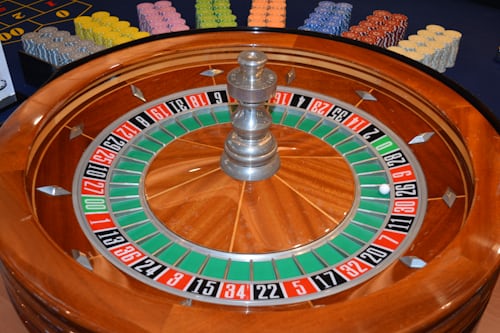
This psychological trigger is further heightened by the design of slot machines and table games, which are engineered to maximize excitement. Sound effects, flashing lights, and celebratory animations serve to reinforce the experience, making it more memorable and encouraging players to return for additional opportunities to win. The allure of these random rewards operates like a double-edged sword; while it can provide fleeting joy, it can also lead to problematic gambling behaviors.
The Social Aspect of Gambling
Beyond personal gratification, gambling often has a strong social component. Casinos create environments where players can interact with one another, fostering a sense of community. This social engagement enhances the overall gaming experience and is particularly appealing for individuals seeking companionship or an escape from their daily routines. The camaraderie formed at poker tables or during group gaming sessions can transform gambling into a shared hobby, further enticing players to make that return visit.
Moreover, many casinos host events, tournaments, and promotions designed to attract groups. These gatherings not only provide entertainment but also deepen the social bonds among participants. A sense of belonging can be a powerful motivator, encouraging individuals to return to casinos not solely for the games but for the community they find there.
Cognitive Biases and the Illusion of Control
The psychology of gambling is also influenced by cognitive biases, such as the illusion of control. Many players believe they can influence the outcome of a game through skill or strategy, even in games of pure chance. This misconception can lead to overconfidence and increased engagement in gambling activities, as players feel empowered by their perceived abilities. The more they play, the more entrenched this belief can become, creating a cycle of repeated play.
Additionally, gamblers often exhibit a tendency called the “gambler’s fallacy,” where they believe that previous outcomes affect future results. For instance, a player might think that after a series of losses, a win is “due.” This line of thinking can drive players to continue gambling, fueled by the hope that their luck will inevitably change, reinforcing their belief in their control over the game.
The Role of Marketing and Casino Design
Casino marketing strategies and the design of gaming environments significantly contribute to the psychological appeal of gambling. Casinos meticulously plan their layouts, often placing the most attractive games near entrances and creating a visually stimulating ambiance. These strategies are intended to entice players to engage for longer periods, as they navigate through a maze of sounds, lights, and opportunities to play.
Moreover, marketing campaigns that highlight jackpots, promotions, and complimentary services can easily sway individuals who may be on the fence about gambling. By framing gambling as an exciting and potentially lucrative activity, casinos keep the excitement alive and ensure that players return time and again, eager to try their luck.

Water Governance and Sustainable Practices
While this article focuses on the psychology of gambling, it’s also worth noting the importance of sustainable practices in various fields, including water governance. By recognizing the psychological aspects of decision-making, stakeholders can better engage communities in sustainable water management efforts. Understanding the motivations and behaviors of individuals can lead to more effective policies and practices that promote a healthier environment.
Ultimately, just as casinos must consider the psychology behind gambling to encourage player return, those involved in water governance can benefit from insights into human behavior to foster greater community involvement. This cross-disciplinary understanding highlights the significance of psychology not only in gaming but also in promoting sustainable practices that benefit society as a whole.
